Offers
 Account
 Menu
Menu Favourite
 Basket



 Need Optical Advice?












 Updated on:
20 August, 2026
Updated on:
20 August, 2026



 Copy Link




Types of cold compress for eyes
There are mainly two types of cold compresses:
1. Reusable compresses – These commercially available cold compresses are pre-filled gel eye masks that need to be refrigerated or frozen before applying. They often come with adjustable straps so they can be securely fastened to the eyes.
Thera-Pearl Eye Mask is one of the reusable eye compresses that provides soothing relief from dry eyes, headaches, puffy eyes and more.
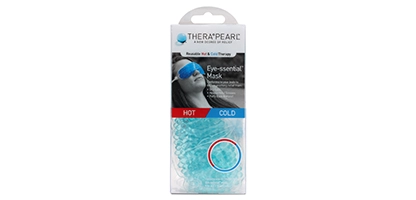
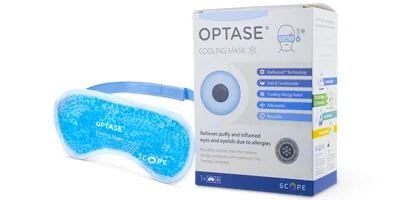
Optase Cooling Mask is another soft, comfortable cooling mask that relieves the eyes of puffiness, inflammation and allergy symptoms through cold-compress therapy.
2. DIY compresses – Acronym for Do It Yourself, DIY cold compresses can be made at home if a reusable eye compress is not accessible. Some common examples include applying a clean ice towel or a leak-proof bag. Other items considered for use include a pack of frozen corn or peas and a sanitised metal spoon chilled in the fridge wrapped in a clean cloth to act as a barrier when placed on the eyes.
Cold compress on eyes benefits
A cold compress offers several benefits, including:

Reduces puffiness and swelling
Under-eye puffiness is one of the most common reasons individuals use a cold compress. The cold temperature of the compress helps shrink blood vessels, making swollen tissues appear less prominent. Applying a cold compress is more helpful in the morning when fluid has accumulated around the eyes overnight.
Soothes tired eyes
In these digitally advanced times, spending long hours on computers, laptops or smartphones can leave the eyes feeling tired and fatigued. This cold therapy provides a refreshing feel that can help relieve eye discomfort and encourage relaxation.
Helps ease allergy symptoms
Seasonal allergies often cause itchy, watery and swollen eyes. Applying a cold compress can calm irritation and temporarily reduce inflammation, making it easier to manage these allergy symptoms.
Relieves minor eye irritation
Exposure to dust, smoke, unwanted particles or dry indoor air can leave the eyes feeling uncomfortable. A cold compress can help reduce mild irritation and provide temporary comfort, making your eyes feel better.
Can help with headaches
Eye strain is often responsible for causing headaches in some individuals. Cooling the eye area with a cold compress can help reduce discomfort, especially when combined with adequate rest for the eyes.
A step-by-step guide on how to use a cold compress on eyes
Krina Halai, a Dispensing Optician at Feel Good Contacts, provides step-by-step instructions on safely using a cold compress for the eyes.
Step 1: Wash your hands with soap and water to prevent bacteria and other irritants from being transferred to your eyes through your hands.
Step 2: Keep your compress handy to place on your eyes. If you’re using a homemade one, make sure to prepare it beforehand. For the reusable eye compress, follow the instructions on the pack.
Step 3: Sit or lie down in a comfortable position, close your eyes and gently place the cold compress over your eyelids.
Step 4: Let the compress rest on your eyes for a good 10 to 15 minutes.
Step 5: Remove the compress and repeat the treatment a few times a day to soothe sore and puffy eyes.
Tips to use cold compresses safely for the eyes
Although cold compresses are generally safe to use, it’s important to take certain precautions to keep problems at bay.
- Always wash your hands before touching your eyes or preparing the compress.
- Before every use, ensure the compress is not damaged and is properly sealed to prevent any leakage onto the eyes.
- If you’re using a DIY compress, use a clean cloth every time to reduce the risk of transferring bacteria.
- Keep your eyes closed while applying the compress.
- Avoid applying excessive pressure onto the eyes. Always keep it gentle.
- Limit each session to around 10 to 15 minutes. Never leave the compress on your eyes for more than 20 minutes to avoid frostbite.
- Those who wear contact lenses should make sure to remove them before applying the cold compress.
- Avoid wearing any cosmetics near the eyes whilst applying the compress, to reduce the risk of infection and further irritation.
- If you have conjunctivitis, discard the cold compress after every use to avoid spreading it. Never apply ice directly to your eyelids, as it can burn your skin. Always use a protective barrier, such as a washcloth or towel, between your skin and the cold compress.
- The temperature of the cold compress should be comfortable for the eyes. If it causes pain or severe discomfort, remove it immediately.
- Make sure not to share any cold eye compress products with others to prevent any cross-contamination.
A cold compress for the eyes is certainly a simple, affordable and effective way to manage mild symptoms of various eye conditions. However, you should always consult an eye care professional in case of persistent pain, changes in vision, eye injury, chemical exposure or eye infection, rather than relying on this home remedy of cold therapy.