Offers
 Account
 Menu
 Favourite
 Basket


 Need Optical Advice?












 Updated on:
21 October, 2026


 Copy Link




An eye infection occurs when microorganisms such as bacteria, viruses, fungi or other germs infect part of the eye or its surrounding tissues, causing inflammation or, in some cases, tissue damage. They can affect various parts of the eye or its surrounding area, such as the eyelids, conjunctiva (the thin, clear membrane that covers the white part of the eye), cornea (the clear outer layer that covers the front of the eye) and internal eye structures. While some eye infections can be mild, others can be more serious and require immediate medical attention. Read on to understand the key differences between the main types of infections.
Please note that this article provides general information about eye infections and is not a substitute for professional medical advice. If you are unsure about your symptoms, have concerns about your eye health or your symptoms are getting worse, always seek advice from a qualified eye care professional.
Common eye infections vs serious eye infections
Common eye infections |
Serious eye infections |
|
Mild discomfort or irritation |
Significant or worsening eye pain |
|
Unaffected vision |
Blurred or reduced vision |
|
Mild or moderate redness |
Intense or worsening redness |
|
Can improve on its own or with treatment |
Requires immediate medical attention and treatment |
|
Most uncomplicated cases can resolve without permanent damage |
Can cause permanent vision loss, scarring or complications |
Common eye infections
Common eye infections are usually mild and, with appropriate care, can often resolve without causing permanent damage. Some of the common eye infections are:
Pink eye
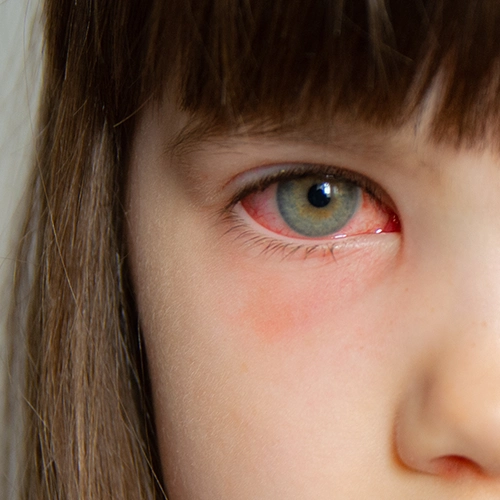
Also known as conjunctivitis, pink eye occurs when the transparent membrane that covers the white part of the eye and lines the inside of the eyelids becomes inflamed or irritated. Symptoms include redness, irritation or itching, crusting around the eyelashes in the morning, swollen eyelids and a gritty feeling in the eyes. Conjunctivitis can be caused by viruses, bacteria or non-infectious factors such as allergies and chemical irritation.
Stye
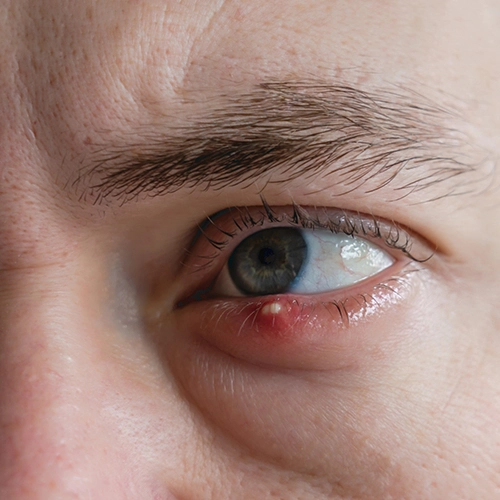
Also known as a hordeolum, a stye is a small, painful, red lump that forms on or inside the eyelid. Most styes are caused by a bacterial infection involving an eyelash follicle or an eyelid gland. Common symptoms of a stye include a swollen, red and tender bump, pain around the eyelid, a scratchy or gritty feeling, watery eyes, crusting along the eyelid margin and sometimes yellow pus at the centre of the bump. Common factors that can increase the risk of developing styes include poor hand hygiene, expired eye makeup and other underlying eye conditions.
Blepharitis
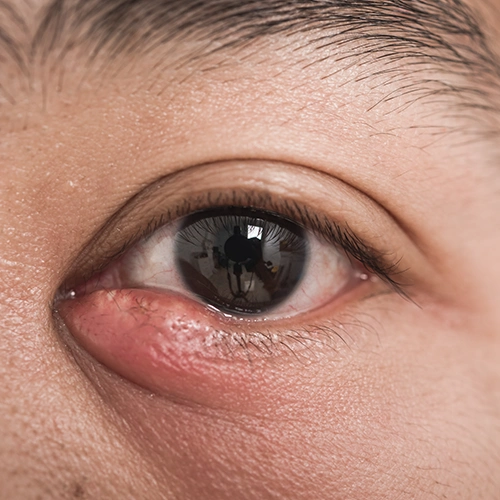
Blepharitis is inflammation of the eyelid margins, especially where the eyelashes grow. Common symptoms include itchy, swollen or red eyelids, a stinging sensation, flakes or crusting around the eyelashes, dry or watery eyes and eyelids stuck together when you wake up. Blepharitis can be associated with blocked oil glands, bacterial overgrowth and certain skin conditions.
Serious eye infections
Serious eye infections can affect important structures of the eye, including the cornea and the internal parts of the eye. They need urgent medical attention and can result in permanent vision loss if not treated promptly. Some serious eye infections are:
Uveitis
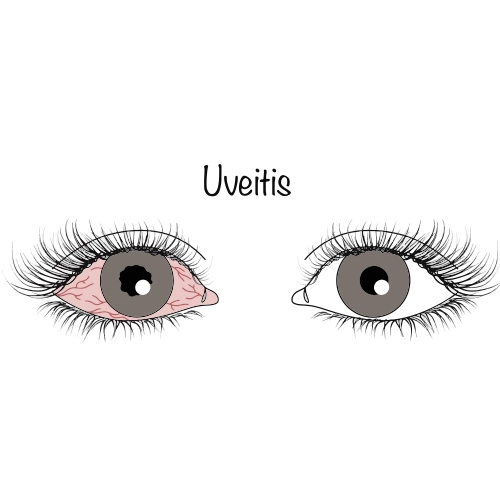
Uveitis refers to inflammation of the uvea, the middle layer of the eye. Symptoms can vary depending on which part of the eye is affected and may include eye redness, pain or soreness, light sensitivity, blurred or reduced vision and floaters. Uveitis can have several causes, including autoimmune or inflammatory conditions, infections and eye injuries. In many cases, the exact cause is unknown. Although uveitis is an inflammatory condition rather than an infection itself, it can sometimes be caused by an infection and may require urgent assessment.
Endophthalmitis
Endophthalmitis is severe inflammation of the fluids and the internal tissues of the eye. It requires immediate medical attention as delayed treatment can lead to permanent vision loss. Symptoms include severe eye pain, red eyes, swollen eyelids, reduced vision and extreme sensitivity to bright light. Common causes of endophthalmitis include eye surgery, such as cataract surgery, eye injuries and rarely, procedures such as intravitreal injections.
Orbital cellulitis
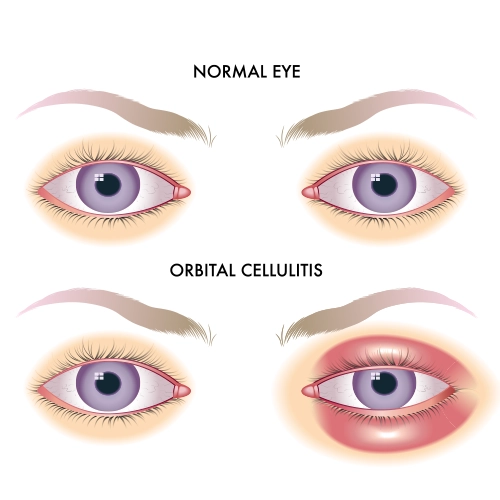
Orbital cellulitis is a severe bacterial eye infection that affects the soft tissues within the eye socket. It is a potentially life-threatening bacterial infection that requires immediate medical treatment; otherwise, it could lead to permanent vision loss or the infection could spread to the brain. Symptoms may include pain, particularly when moving the eyes, redness and swelling of the eyelids, fever and bulging of the eye. Orbital cellulitis is often caused by a sinus infection but can also result from eye injuries, surgery or infections spreading from the teeth or bloodstream.
Infectious keratitis

Infectious keratitis is the inflammation of the cornea. It is a serious eye condition that needs urgent medical attention, as delayed treatment can lead to corneal ulcers and vision loss if left untreated. Common symptoms of keratitis may include severe eye pain, blurry vision, sensitivity to light, a sensation of something stuck in the eye and watery discharge. It is particularly common among contact lens wearers who do not follow a proper lens care routine or wear lenses longer than recommended.
Frequently asked questions
How do I know if an eye infection is serious?
An eye infection can be serious if you experience severe pain, extreme sensitivity to light and blurred or worsening vision, or other significant changes in your eyesight. All these symptoms require prompt medical assessment.
Can you be hospitalised for an eye infection?
Yes, some serious eye infections, such as orbital cellulitis, may require hospital admission for urgent assessment and treatment.
How long do common eye infections last?
The duration of an eye infection varies depending on the type and severity of the infection. Some mild infections may clear within a few days, while others can take several weeks to resolve. The right treatment can help ease symptoms and prevent complications.
What not to do during an eye infection?
If you have a contagious eye infection, avoid sharing personal items, such as towels, face cloths, eye makeup or pillowcases, to prevent the infection from spreading.