Offers
 Account
 Menu
Menu Favourite
 Basket



 Need Optical Advice?
















What makes purple-coloured eyes different?
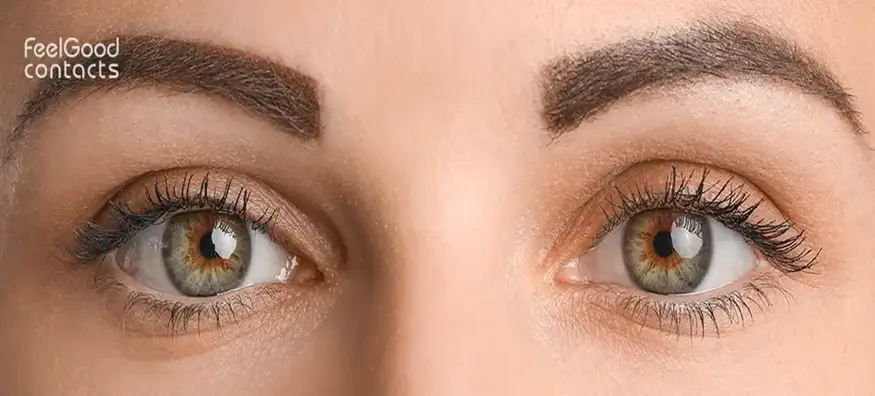
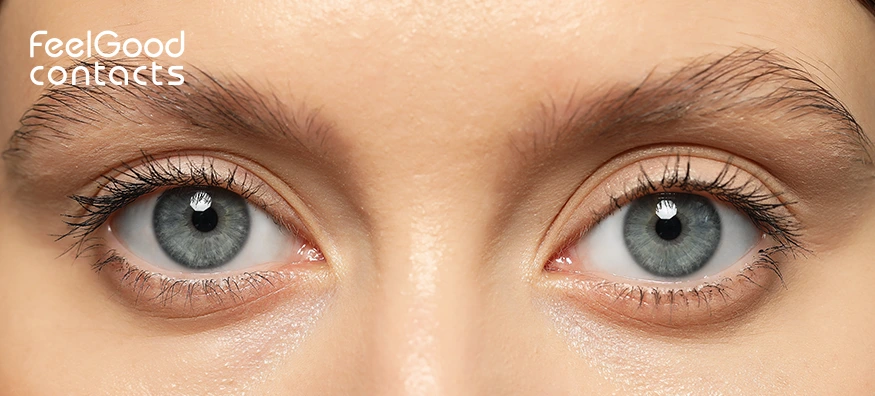
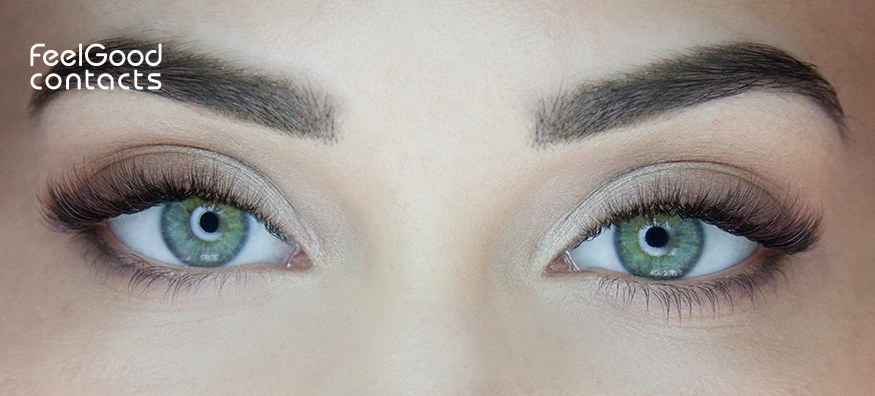
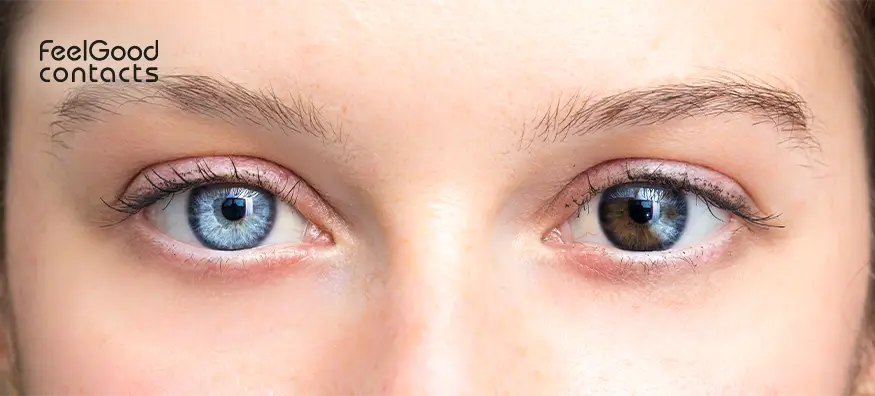
When someone refers to purple eyes, they are talking about eyes that display violet or lilac hues, either naturally or with the help of coloured contact lenses. Purple or violet eyes are a result of a rare reflection phenomenon. It is estimated that less than 1% of the global population may exhibit this hue. While some may think this is simply a variation of blue eyes, there are some specific factors that make this happen, for instance, the pigment in the iris. Let’s understand the science behind it.
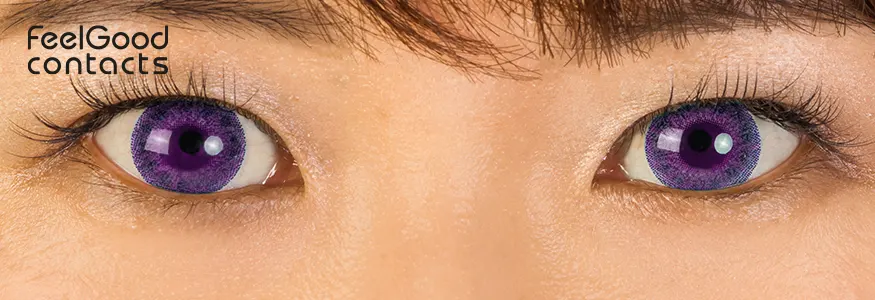
The science behind natural purple eyes
The below factors are responsible for developing purple eye colour:
1. Melanin and genetics
Your eye colour depends largely on melanin (the pigment responsible for skin and hair colour). The more melanin present, the darker the eye colour and vice-versa. For instance, brown or black coloured eyes will have more melanin compared to eye colours like blue. With purple or violet eye colour, the iris has very little melanin (pigment) and scatters off the light to create a violet appearance. In essence, a purple eye isn’t a simple mix of blue and red pigment, but a combination of very low melanin pigment and anatomical or optical light-scattering effects inside the eye.
2. Albinism and pigment-deficit conditions
Another factor that contributes towards this eye colour is albinism (especially ocular albinism), a genetic condition where the body produces little or no melanin. In such cases, the iris doesn’t have much pigment, and the appearance of the eye colour is heavily influenced by light and underlying blood vessels.
3. Other causes and conditions
While pigmentation changes are rare, they might occur from conditions like inflammation of the eye, pigment-loss syndromes or injury. It may signal an underlying health issue, so if you notice your eye colour changing suddenly, you must seek immediate medical opinion.
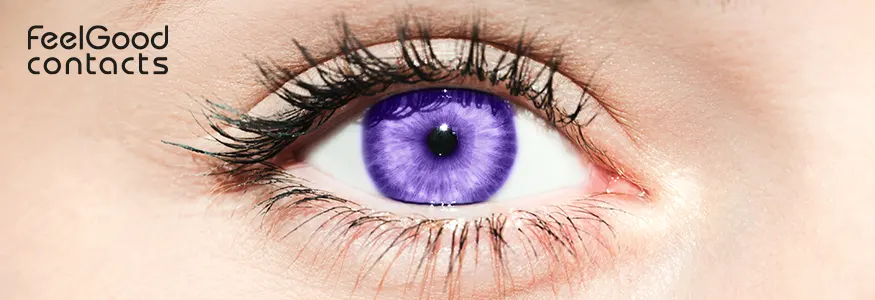
Myth vs reality about the purple eye allure
As uncommon as it is, the idea of violet or purple-coloured eyes seems almost surreal. Such fascinations often give birth to myths such as Alexandria’s Genesis, which claims that a supernatural mutation may produce purple eyes and other unusual traits. However, that is entirely fictional.
While the occurrence of purple or violet eyes is possible, it doesn’t happen supernaturally. The fascination arises because we are wired to notice things that stand out or are extraordinary in nature, such as a pair of eyes reflecting a subtle violet tone.
Styling tips for naturally purple eyes
If you truly have naturally purple or violet eyes, you certainly have a unique feature to work with. Here’s how to make the most of it:
- Choose clothing in colours that bring out that violet tone. Soft lavenders, dusty mauves, violet-grey and even deeper purples will complement the eye colour and make it pop.
- Use subtle eye makeup that will emphasise the natural violet lustre rather than overpower it. For instance, eyeshadow in taupe, plum, bronze or soft mauve shades will be a good match.
- The purple colour of your eyes is most probably the result of low pigment or albinism (ocular or otherwise), which is often directly related with light-sensitivity. To take good care of your eyes, you must use a pair of 100% UV-blocking sunglasses outdoors. A wide-brim hat can further help enhance sunlight protection.
- Lighting can make a lot of difference in bringing out the best of your purple eyes. If this reads like a vague idea, try taking a selfie in soft daylight from the side or front angle and see the violet in your eyes shimmer the best. This phenomenon is probably what made Elizabeth Taylor’s deep blue eyes appear violet under bright studio lighting.
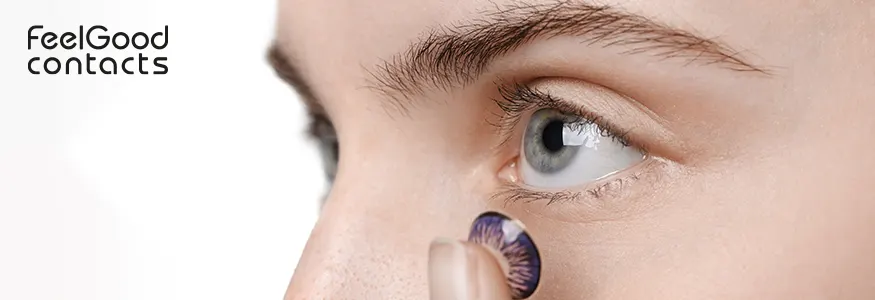
Recreating purple eyes with contacts and makeup
For those who are intrigued with the idea of purple eyes and would love to evoke the look with makeup or contact lenses, here are some tips to help you highlight that enchanting shade:
- Choose violet-toned contact lenses if you want a dramatic shift to purple. Remember to consider your natural iris colour and skin tone when choosing purple contact lenses. Also, you need to keep the makeup subtle to enhance the effect without overwhelming the colour shift.
- Ensure that your coloured contacts are prescribed and fitted by a qualified optician. Even for purely cosmetic lenses, factors like base curve, diameter and suitability can make or break your overall comfort and eye health.
- You can also use purple coloured eye makeup to give the onlookers an illusion of purple eyes. With a mix of violet-toned makeup products such as eyeliner, eyeshadows and even mascara, a close-to-purple-eyes look can be achieved.
At Feel Good Contacts, we believe that all eye colours are beautiful. However, there’s no denying that an invisible confidence comes with recognising that you have a less-common trait. Whether you have purple-coloured eyes naturally (extremely rare) or you are exploring them with contact lenses or makeup, just celebrate the uniqueness. After all, it’s those extraordinary touches that make a lasting impression.
FAQs
1. Can I get purple eyes with contact lenses?
Absolutely! Purple contact lenses are a safe and fun way to experiment with this enchanting eye colour without any permanent change. However, you should always wear high-quality, properly fitted and optician-recommended lenses from trusted retailers like Feel Good Contacts.
2. How do I safely wear and care for purple contact lenses?
Always clean and store your lenses as directed by your optician, avoid sharing them, and never wear them longer than recommended. Proper hygiene keeps your eyes healthy and irritation-free.
3. Can purple glasses help attain the purple eye look?
No, glasses cannot give the illusion of an eye colour. However, purple glasses could be a great way to add a touch of violet to your overall appearance since purple colour is often associated with wisdom, creativity and uniqueness.
Disclaimer: The advice and suggestions in this blog are for informational purposes only and are not a substitute for medical care. Before trying any products or remedies, consult with an eye care professional. See our Editorial Policy for details on how we review our blog.