Offers
 Account
 Menu
Menu Favourite
 Basket



 Need Optical Advice?












 Updated on:
12 August, 2026
Updated on:
12 August, 2026



 Copy Link



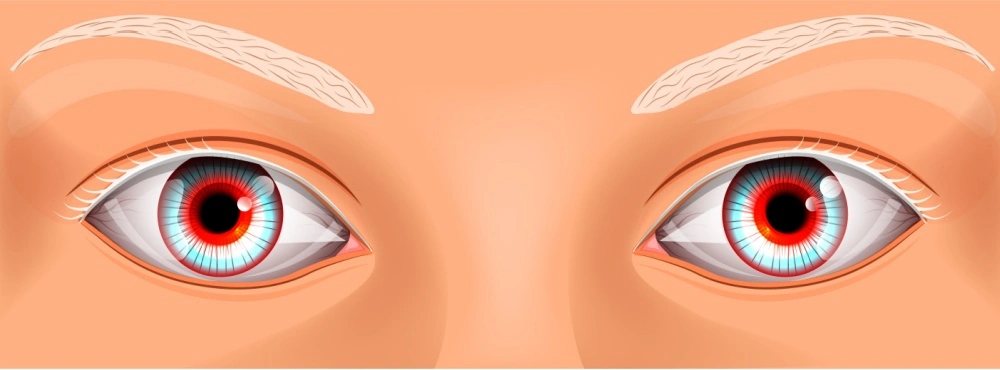
Albinism is a rare genetic condition that affects the production of melanin in the body - pigment responsible for the colour of your skin, hair and eyes. Melanin plays a crucial role in the development of your optic nerve, lower melanin levels can lead to mild to severe vision problems. People with albinism are born with it and it lasts throughout their lives. With the right care and support, this condition can be effectively managed. Let’s learn more about albinism step-by-step.
- Causes of albinism
- Types of albinism
- Symptoms of albinism
- Treatment of albinism
- Frequently asked questions
Causes of albinism
Albinism is caused by changes in certain genes involved in the production and transfer of melanin, including TYR, OCA2, TYRP1, SLC45A2 and GPR143. These genetic changes reduce or disrupt melanin production, leading to reduced pigmentation in the skin, hair and eyes. In most cases, albinism is inherited from parents. A child usually develops the condition when they inherit a changed gene from both parents. Parents may carry the gene without having albinism themselves.
Types of albinism
Albinism is primarily divided into three common types:
1. Oculocutaneous albinism (OCA)
Oculocutaneous albinism is the most common type of albinism. People with OCA often have lighter skin, pale hair and lighter eye colour compared to their family members. The condition usually develops when a child inherits a changed gene from both parents. OCA is further divided into different types based on the affected gene, ranging from OCA1 to OCA8.
-
OCA1 (Type 1): It is caused by variants in the TYR gene, which is responsible for melanin production. This type usually leads to very pale skin, white hair and light-coloured eyes.
- OCA1A: The body does not produce melanin.
- OCA1B: A small amount of melanin is produced, so hair and skin colour may become slightly darker over time.
- OCA2 (Type 2): It is linked to variants in the OCA2 gene and is particularly common in some populations of African ancestry. It may cause creamy white skin, yellow or light brown hair and hazel or brown eyes.
- OCA3 (Type 3): It is associated with changes in the TYRP1 gene and is usually seen in people with darker skin tones. It may result in reddish-brown skin and ginger or brown hair.
- OCA4 (Type 4): It is caused by variants in the SLC45A2 gene, which affects the normal pigment production. Its symptoms are often similar to OCA2.
- OCA5 to OCA8: These are less common forms of oculocutaneous albinism discovered through genetic research. They also affect the body’s ability to produce normal amounts of melanin.
2. Ocular albinism (OA)
Ocular albinism is less common than oculocutaneous albinism. This type primarily affects the eyes and vision, with little or no effect on the skin and hair. It is commonly linked to variants in the GPR143 gene. People with OA may experience blurred vision, light sensitivity, involuntary eye movements and difficulty focusing. Impaired depth perception and reduced visual acuity are also common.
3. Syndromic albinism
In some people, albinism can occur along with other inherited health conditions. This means the condition may not only affect the skin, hair and eyes, but also other parts of the body. Some rare syndromes linked to this albinism include:
- Hermansky-Pudlak syndrome (HPS): A rare inherited condition where people have albinism along with problems related to blood clotting, easy bruising and conditions affecting organs such as the lungs, kidneys or bowel.
- Chediak-Higashi syndrome (CHS): A rare genetic disorder that weakens the immune system, making it harder for the body to fight infections. People with CHS may also have albinism and are more likely to bruise or bleed easily.
Symptoms of albinism
- Very light skin compared to other family members
- White, blonde or light brown hair
- Light-coloured eyes
- Blurred vision
- Sensitivity to bright light
- Difficulty with vision
- Rapid or involuntary eye movements
- Reduced visual acuity
Some people with albinism may also experience eye conditions such as:
- Nystagmus, where the eyes move uncontrollably
- Astigmatism, which causes blurred or distorted vision
- Short-sightedness or long-sightedness
- Reduced depth perception
People with albinism are also more sensitive to sun exposure because of the lower amount of melanin in their skin, which may increase the risk of sunburn and skin damage.
Tina Patel, Contact Lens Optician at Feel Good Contacts says, “Vision problems are a common part of albinism, which is why early eye care, regular eye examinations and the right optical support are essential in helping people see more comfortably and confidently.”
Diagnosis of albinism
Albinism is usually diagnosed during infancy or early childhood. Doctors may identify the condition by examining physical features and assessing any vision problems. Additional eye examinations and genetic testing may be carried out to confirm the condition and understand how it may be inherited within a family.
Treatment of albinism
There is currently no cure for albinism. The treatment primarily focuses on protecting the skin and managing vision problems, usually including:
- Prescription glasses or contact lenses
- Regular eye examinations
- Sunglasses with UV-protection
- Sunscreen with a high SPF
- Wearing protective clothing and hats outdoors
Albinism is a lifelong genetic condition that can significantly affect vision and visual development. While there is no cure, early diagnosis, regular eye care and the right visual aids can help individuals manage symptoms effectively and maintain a good quality of life. Greater awareness and understanding of albinism can also encourage better support, inclusion and access to appropriate care.
Frequently asked questions
Is albinism painful or does it cause physical discomfort?
Albinism itself is not a painful condition. However, people may experience discomfort related to vision issues such as eye strain or sensitivity to bright environments, especially without proper visual support or protection.
Can albinism get worse with age?
Albinism is a genetic condition present from birth and usually it does not progress or worsen over time. However, vision-related challenges may occur with age, just like with anyone else, which is why regular eye examinations are important.
Do all people with albinism have the same level of vision problems?
No, vision can vary significantly from person to person. Some individuals may have mild visual difficulties, while others may require stronger visual aids depending on how their eyes have developed.
Are people with albinism more prone to eye fatigue?
Yes, some people with albinism may experience eye fatigue, particularly during tasks that require prolonged visual concentration or exposure to bright light.