Offers
 Account
 Menu
Menu Favourite
 Basket



 Need Optical Advice?










 Updated on:
09 June, 2026
Updated on:
09 June, 2026



 Copy Link




Choosing the right lens colour for sunglasses depends on one’s personal style and lifestyle needs. Each sunglasses tint serves a specific purpose. Other than providing UVA and UVB protection, sunnies with the right tinted lenses can enhance your performance in different conditions.
In this guide, we will walk you through different sunglasses lens colours, their uses, how to find a suitable lens tint for yourself and much more.
- Different sunglasses lens colours
- Polarised vs mirrored vs gradient sunglasses
- Best sunglasses lens colour for specific activities
- How to choose the right lens tint sunglasses
- Frequently asked questions
Different sunglasses lens colours
The most popular lens colours include:
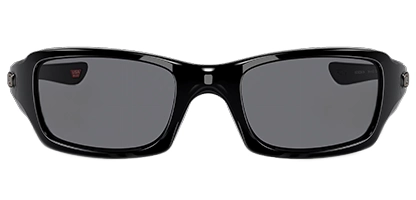
- Grey: This is the most common sunglasses lens colour that allows you to see colours as they truly are. You can wear sunglasses with grey lenses in any weather, as they minimise glare in bright conditions and ensure a comfortable vision while driving, playing golf, cycling or enjoying other outdoor activities.
- Green: As green-tinted sunglasses enhance contrast and visual sharpness, they are ideal for outdoor activities. They make a versatile pick as they work well in both partly cloudy and bright weather. They provide better colour contrast and reduce glare, allowing you to see natural colours more accurately.
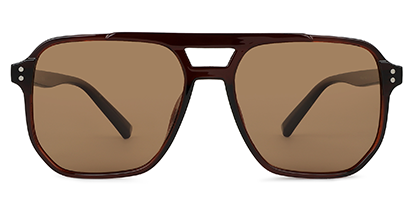
- Brown/Amber: The warm, reddish tones of these lenses are perfect for sunny weather. As they offer enhanced contrast against green landscapes and a clear sky, you can wear them during activities such as playing tennis, fishing, shooting and more.
- Yellow/Orange: These sunglasses lens colours are ideal for cloudy or hazy days, as the yellowish tint allows you to see moving objects clearly, making them a smart choice for outdoor activities.
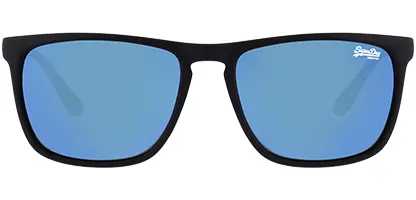
- Blue/Purple: Although different shades of blue are not common sunglasses lens colours, they are known for offering visual clarity and minimising glare from reflective surfaces during sports activities, such as snowboarding, boating, surfing, target shooting and more.
- Red/Pink: These sunglasses lens colours enhance contrast and are suitable for sports that require high visual acuity, such as skiing, mountain biking, driving, archery and more. They are best suited for days when the sun is brightest.
Polarised vs mirrored vs gradient sunglasses
There are mainly three types of sunglasses, based on the type of lenses, namely polarised, mirrored and gradient.
Polarised sunglasses
- Polarised sunglasses lenses feature a polarising filter, which, according to Harvard Health Publishing, blocks glare off reflective surfaces, such as snow, water, car bonnets and wet roads.
- They reduce eye strain, aiding visual comfort while driving, fishing and other activities.
Mirrored sunglasses
- Mirrored sunglasses lenses feature a reflective mirror coating on the front surface of the lens.
- They reflect the bright light away from the eyes for increased visual clarity.
- They are perfect for sunny conditions, skiing, water sports and more.
Gradient sunglasses
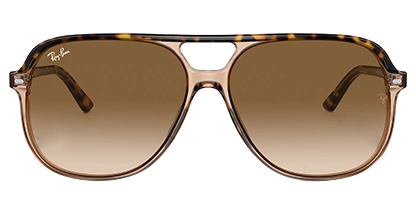
- Gradient sunglasses lens tint is darker at the top and lighter towards the bottom for comfortable vision in both shady and sunny conditions.
- They are ideal for activities, such as hiking, driving and more.
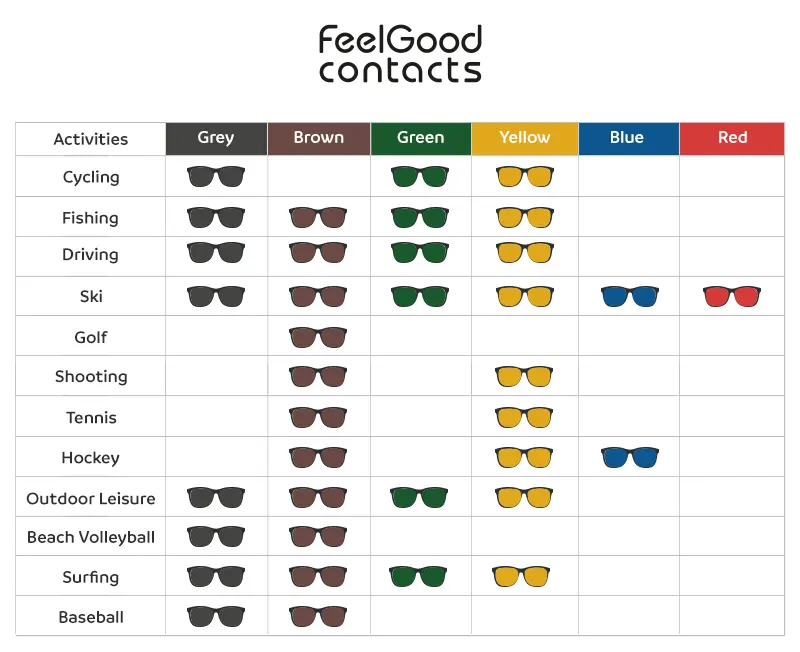
Best sunglasses lens colour for specific activities
How to choose the right lens tint sunglasses
Here’s what to consider when selecting a lens tint as per your needs:
- Consider the light sensitivity feature: If you have light sensitivity, your eyes may feel strained, you may get headaches or even squint to see clearly. So, it’s important to choose sunglasses with lenses that reduce glare and enhance visual comfort.
- Think about your personal style: You can also choose sunglasses lens colours as per your style. For instance, if you want to make a bold statement, consider purple or red tints. For a timeless and understated look, grey and brown tints are your best bet.
- Look for prescription compatibility: Those with a prescription need to be careful when selecting a suitable sunglasses lens tint, as they would want to go for a pair that provides comfort without compromising on clear vision. They should go for neutral tints such as grey and green, as they minimise brightness without restricting the colours you see in real-time. However, they should always consult with an optician for expert advice.
Frequently asked questions
What is the best sunglasses lens colour for driving?
Grey, brown and amber are considered the best lens tints for driving, as they minimise brightness and improve contrast. Polarised sunglasses are most suitable for driving in bright conditions, as they reduce glare from reflective surfaces.
Are darker lenses better for your eyes?
Darker lenses only minimise brightness; they do not block harmful rays. Without appropriate UV filtering, these lenses allow UV rays to reach your eyes, causing potential eye problems.
Are mirrored sunglasses better?
As compared to regular sunglasses, mirrored shades can be a better choice. Mirror coating helps with reflecting bright light away from the eyes, offering visual comfort. Mirror coating is best for sunny days, skiing, beach, etc.