Offers
 Account
 Menu
Menu Favourite
 Basket



 Need Optical Advice?












 Updated on:
19 February, 2026
Updated on:
19 February, 2026



 Copy Link



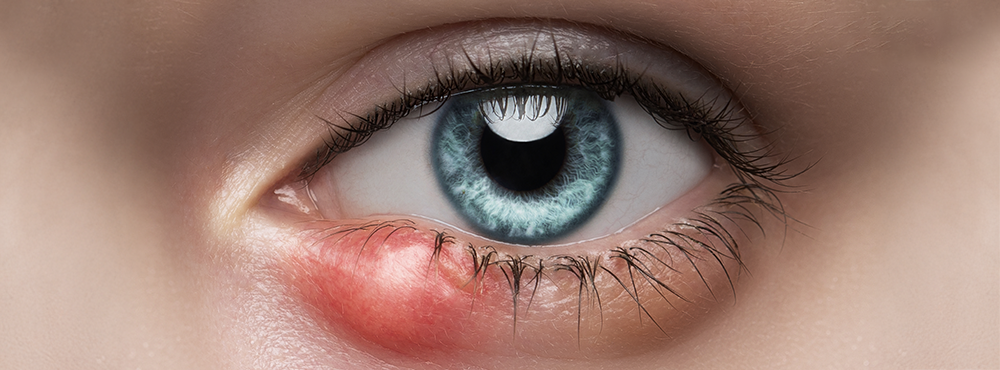
Waking up to the pain and discomfort of an eye infection could instantly take down the graph of our happy emotions and productivity. A stye on eye is one such problem. If you are suffering from this eye condition for the first time or have seen it on someone else and wondered how it really happens, we are here to put an end to your curiosity. In this article, we will learn about stye infection, its symptoms, causes, treatments and prevention.
- What is a stye?
- Common stye symptoms
- Primary stye causes
- Optician-recommended stye treatment
- How to prevent a stye?
What is a stye?
A stye, also known as a hordeolum, is a small and painful lump that develops on or inside the eyelid. It can often look like a pimple and usually happens when an eyelash follicle or oil gland becomes infected with bacteria, typically lasting about a week. According to the NHS, it’s possible for more than one stye to occur at a time, even on both eyes. Styes are common and in most cases, nothing to worry about.
Common stye symptoms
Although a painful lump is the most common symptom of a stye, it also usually comes with some other signs such as:
1. Redness and swelling
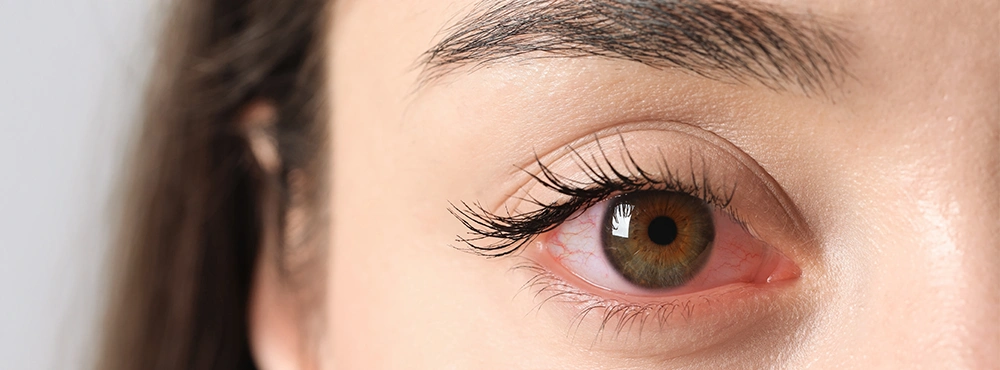
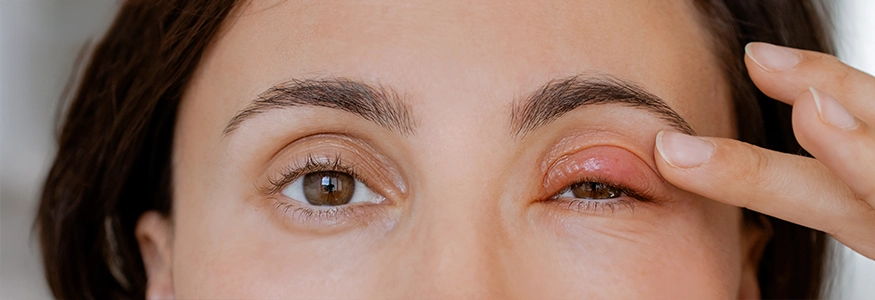
Redness and swelling around the eyelid are two of the first stye symptoms. In severe cases, swelling can also lead to temporarily blurred vision by partially covering the eye.
2. Soreness
The lump and the eyelid skin around it become sore and puffy, causing discomfort and pain, especially when you blink or touch it.
3. Itchiness
In some cases, people experience mild discharge or inflammation around the affected area, causing itchiness and irritation.
4. Light Sensitivity
With a stye, some people may notice increased sensitivity to light, which can make it uncomfortable to look at bright light coming from screens or the sun.
5. Crusting
During sleep, dried discharge on the eyelid starts forming a crust. This makes your eye feel gritty and sticky, making it difficult to open it when you wake up.
6. Yellow/white spot
A small pus-filled spot appears on the stye as it progresses and gets bigger.
7. Watery eyes
In the healing phase, the eye infected with the stye may produce more tears than usual to help flush out any debris and protect the eye.
Primary stye causes
The leading cause of styes is a type of bacteria commonly found on human skin and inside the nose, called Staphylococcus aureus. This bacterium is usually harmless but can cause infection if it enters an oil gland or hair follicle in the eyelid. Anyone can get a stye, but the following reasons are known to increase the risk:
1. Lack of eyelid hygiene
If you do not follow good eyelid hygiene every day, bacteria, oil and dirt can accumulate and clog your eyelid glands, potentially infecting your eyelash follicles.
2. Blepharitis
Blepharitis is an inflammation of the eyelids and affects the roots of your eyelashes. It is a common eye condition that causes both eyelids to become red and flaky.
3. Severe skin conditions
For those with skin conditions like eczema (making skin dry, itchy and bumpy) and rosacea (causing long-term facial redness), inflammation around the eyelids is more common. This can cause increased skin sensitivity, gland blockage and the risk of infection.
4. Eye makeup
Using eye makeup like a mascara or eyeliner that’s contaminated or past its expiry date can transfer bacteria to your eyelids. Sleeping with your eye makeup on is also one of the chief stye causes.
5. Health conditions
Having a weak immune system or critical ailments like diabetes reduces your body’s ability to fight infections, including styes.
6. History of eyelid lumps
Styes are more common in people who’ve had a chalazion (a harmless cyst) as it can cause blockage of the oil glands.
Optician-recommended stye treatment
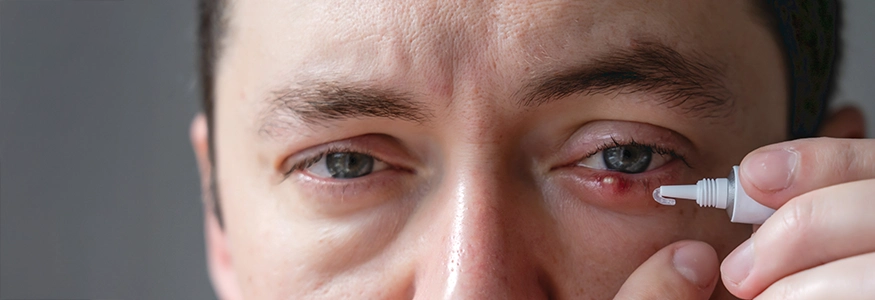
As already mentioned, styes usually clear up on their own within one to two weeks. However, these easy steps can help with a speedy recovery:
- Practice good hygiene and keep your hands clean, especially when touching your eyes.
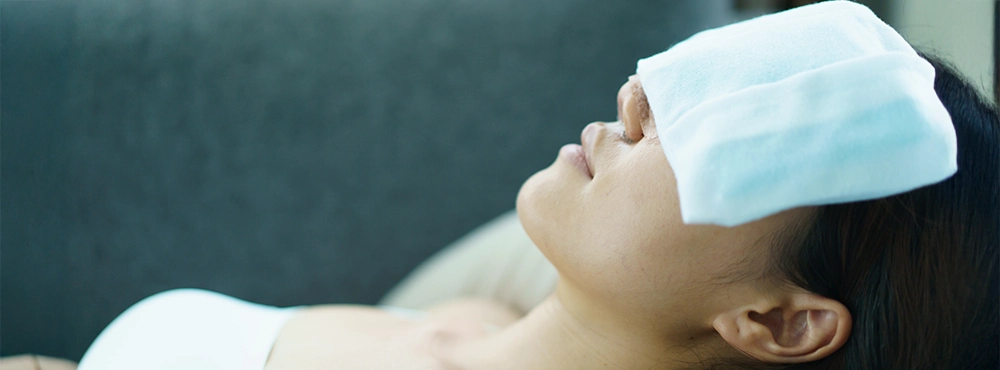
- Using a stye relief compress can help drain the stye naturally.
- Place a clean flannel soaked in lukewarm water over your closed eyes. Do this a few times a day for 10 to 15 minutes each time.
- Do not squeeze or burst the lump yourself. Let it heal in its own time.
- Avoid unproven fake home remedies, such as rubbing metal on your stye as it can worsen the infection.
How to prevent a stye?
For those who want to keep styes at bay, here are a few prevention tips:
- Wash your hands before touching your eyes.
- Regular lens wearers must practice good lens hygiene.
- Wash your face daily, including around your eyes.
- Always remove your eye makeup before hitting the bed.
- Use eyelid hygiene products to keep your eyelids and lashes clean.
- Avoid rubbing your eyes and sharing towels.
FAQs
Can you wear contact lenses with a stye?
Opticians recommend not wearing contact lenses until the stye has fully cleared, as they can irritate your eyes further and slow down healing. It’s best to switch to glasses for now.
Is a stye contagious?
A stye isn’t highly contagious, but bacteria that cause it can be spread through direct contact or shared items. So, it’s best not to share everyday commodities like towels and pillows with someone who has a stye.
When to see a doctor?
In rare cases, a stye may worsen, not get better on its own or could even keep coming back. If this happens, you should get in touch with your trusted eyecare professional or doctor as soon as possible for a tailored treatment plan.