Offers
 Account
 Menu
Menu Favourite
 Basket



 Need Optical Advice?












 Updated on:
05 February, 2026
Updated on:
05 February, 2026



 Copy Link



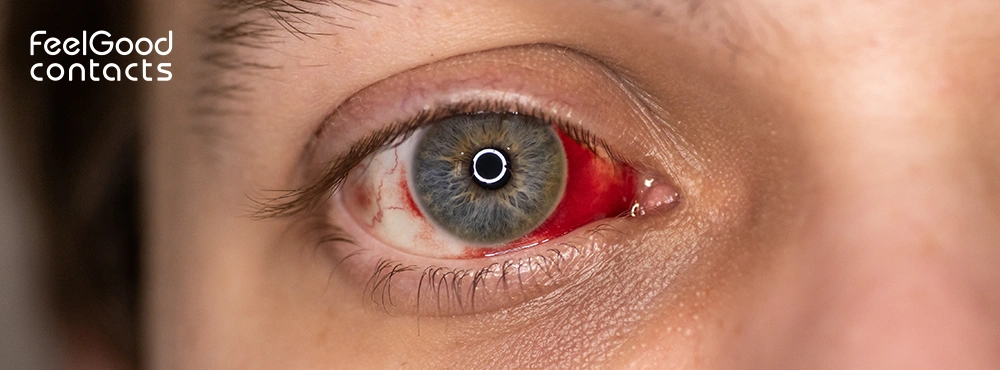
Waking up to a red dot in eye could be an unsettling experience for anyone. Amid all the common causes of red eyes, it could be a subconjunctival haemorrhage. The name might sound complicated and scare you away, but it is actually not a major eye condition. Learn what a subconjunctival haemorrhage is, what its symptoms are, how it may happen, how to treat it and more in this detailed article.
- What is subconjunctival haemorrhage?
- Symptoms of subconjunctival haemorrhage
- What causes subconjunctival haemorrhage?
- Who’s at a higher risk of subconjunctival haemorrhage?
- How to treat subconjunctival haemorrhage?
What is subconjunctival haemorrhage?
The clear membrane covering the sclera (white part of the eye) from inside the eyelid is called the conjunctiva. It contains several capillaries (tiny blood vessels) that are fragile and can rupture easily. When any of these blood vessels break, they bleed and leak on the white surface of the eye and the condition is called subconjunctival haemorrhage.
As the blood is trapped in the conjunctiva, it cannot be moved or wiped off. So, the red mark on eyeball is basically your sclera turning bright red because of a broken capillary. However, this doesn’t affect your vision as the blood is neither on the cornea, nor in the back of the eye.
Symptoms of subconjunctival haemorrhage
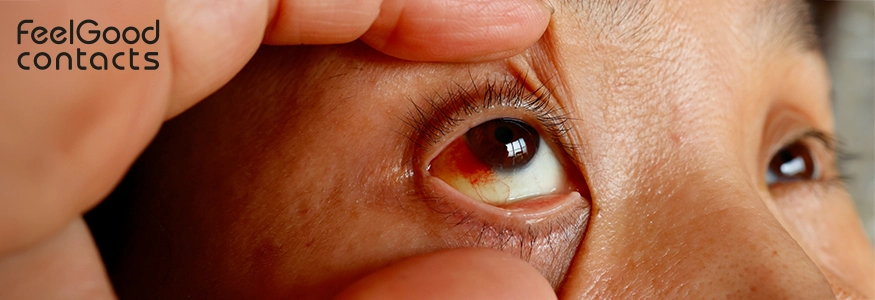
In contrast to the look of it, subconjunctival haemorrhage does not cause any pain, swelling, discharge or vision obstruction. It does not have any other symptoms than a red mark on eyeball and in some cases, a mild irritation, which usually disappears within a few weeks. This is why most people do not even notice this condition until they see it in the mirror, or someone points it out.
What causes subconjunctival haemorrhage?
Subconjunctival haemorrhage happens when the blood pressure in your veins spikes up and one or more blood vessels in the eye are broken. In some cases, there is no direct cause for this condition, but it may happen due to:
- An injury to the head or eye
- Rubbing your eyes excessively
- Heavy lifting
- Wearing or removing contact lenses improperly
- Strain due to activities such as coughing, sneezing or vomiting
- Regular use of cancer drugs and certain medications, such as blood thinners
- Vascular conditions like high blood pressure, diabetes and blood clotting disorders
Who’s at a higher risk of subconjunctival haemorrhage?
Apart from the health conditions considered as one of the causes, you could be at a higher risk of subconjunctival haemorrhage if you:
- Have recently had eye surgery
- Are aged over 65 years
- Are a regular contact lens wearer
If you meet any of the above-mentioned conditions, it is important that you consult your optician and adopt some optician-approved prevention tips, such as:
- Taking eye tests at regular intervals
- Wearing protective eyewear during outdoor and high-impact activities
- Practicing proper contact lens hygiene
- Inserting and removing lenses with care and as recommended
How to treat subconjunctival haemorrhage?
There is usually no need to treat subconjunctival haemorrhage as it naturally heals in up to two weeks, fading into a lighter red and then completely disappearing. However, if you have a larger red mark on eyeball, it might take a little longer to fade. Even so, if you diagnose or have a doubt about this condition, it is advised that you have your eyes checked by an eye care specialist or healthcare provider immediately. This will help:
- Identify other areas of bleeding, if any
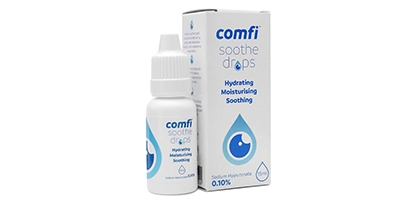
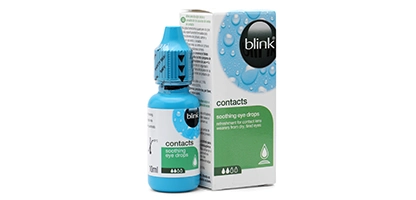
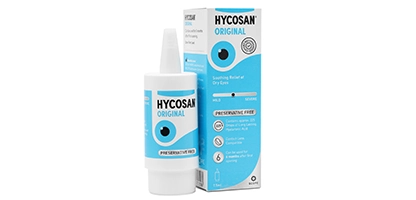
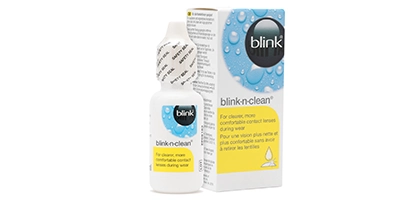
- Relieve irritation with effective eye drops
- Detect more serious conditions in time, especially if you are experiencing subconjunctival haemorrhage frequently
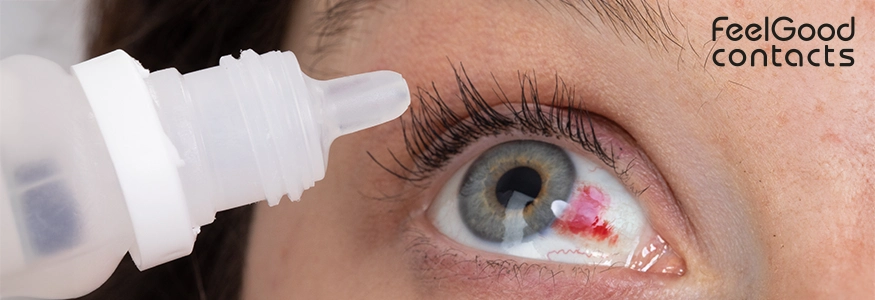
Howsoever alarming it may look or read like, but subconjunctival haemorrhage is nothing to worry about as it heals naturally in only a span of a few weeks. All you need to do is visit a trusted eye health provider to check for any underlying conditions, especially if you are experiencing some pain, irritation or discomfort.