Offers
 Account
 Menu
Menu Favourite
 Basket



 Need Optical Advice?
















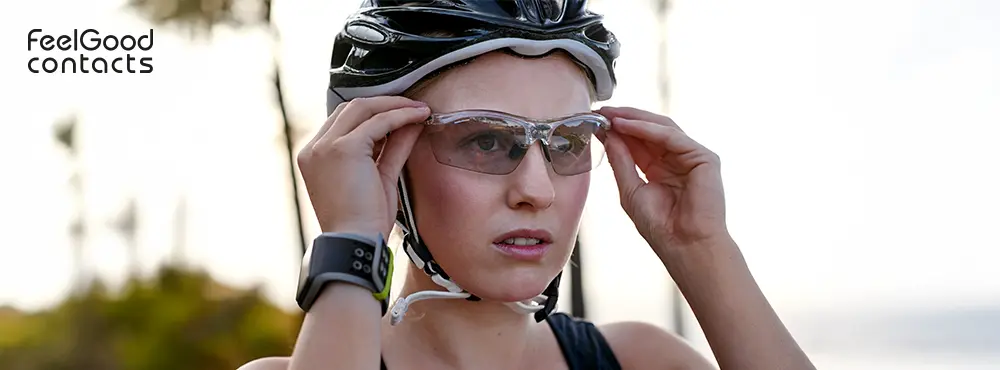
Why sports eye safety awareness matters?
According to the British Journal of Sports Medicine, approximately 3% of all eye injuries occur during sports activities and about 25% of these injuries are severe enough to require ophthalmic treatment. Eye injuries can occur in any sport, from high-impact activities like basketball and rugby to outdoor sports like cycling and skiing. The consequences can range from minor irritation to permanent loss of vision. Raising awareness about the risks and emphasising prevention can help reduce the thousands of sports-related eye injuries that occur each year.
Key reasons why this month is important
- Prevention is possible: Studies show that 90% of sports-related eye injuries can be prevented with the use of proper protective eyewear.
- Increasing awareness saves vision: Many athletes and parents are unaware of the risks, but this month helps educate them on the importance of eye protection.
- Encouraging eye safety habits: Building a culture of eye safety ensures long-term protection and better sports performance.
Tips to protect your eyes while playing sports
Taking the right precautions can significantly lower the risk of eye injuries. Here are some key tips to maximise sports eye safety:
- Wear protective eyewear: The best way to prevent sports-related eye injuries is by using protective sports eyewear made from impact-resistant materials. Sports goggles, wraparound glasses and face shields can offer additional protection. If you wish to wear prescription glasses on the field, opt for frames made from durable or shatterproof materials to prevent breakage upon impact. You should also choose lenses with an anti-fog coating for clear vision in humid or cold conditions.
- Choose the right fit: Ill-fitting eyewear can slip, reduce visibility and be uncomfortable. Ensure that the eyewear fits snugly yet comfortably on your face. Look for frame designs that completely cover your eyes, reducing exposure to high-speed objects and environmental hazards such as dust and debris. Additional adjustable straps can provide a more secure hold during movement.
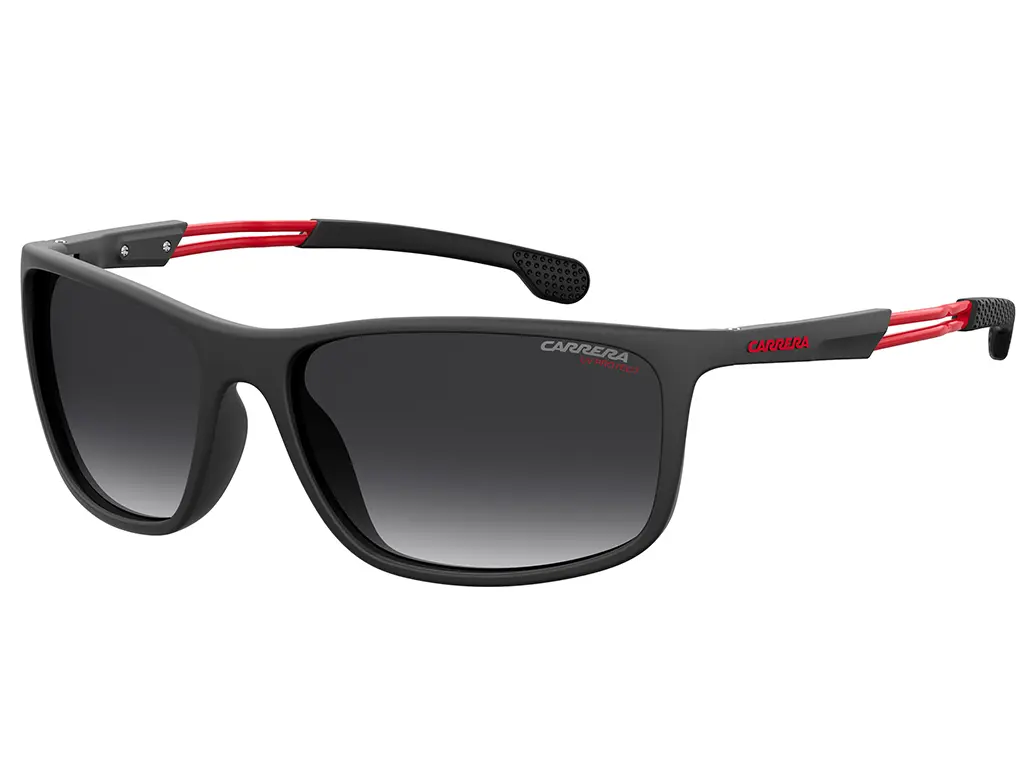
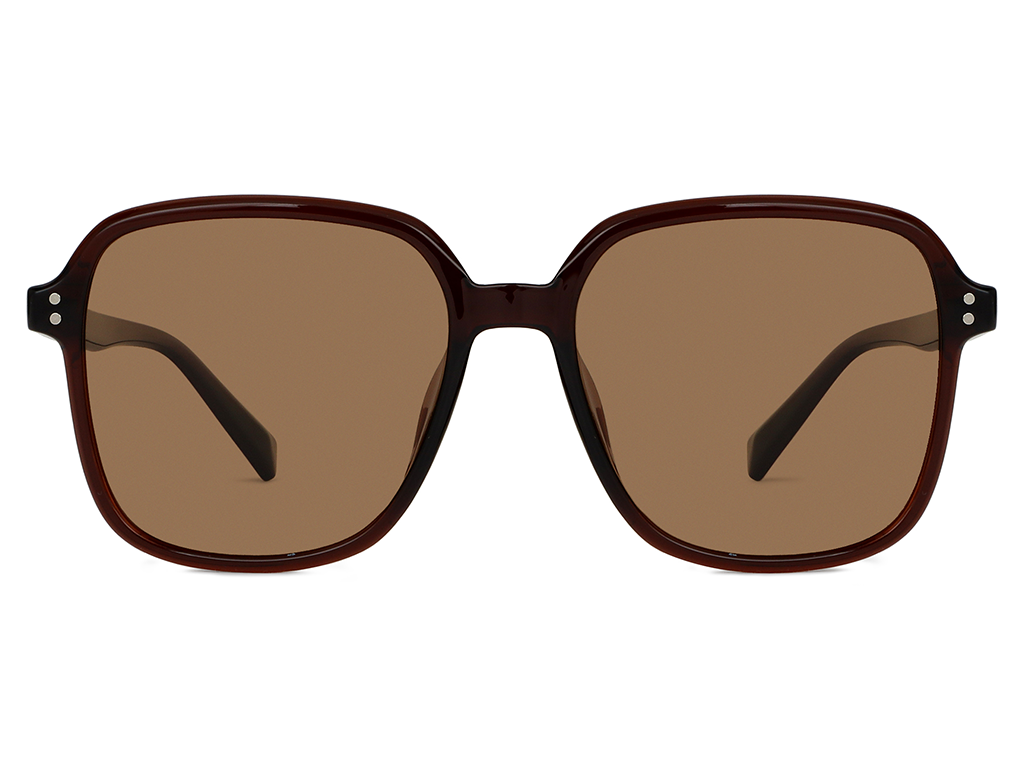
- Use UV-protective sports sunglasses for outdoor activities: Participating in outdoor sports exposes your eyes to harmful ultraviolet (UV) rays, which can lead to long-term damage, including cataracts and macular degeneration. Always choose sunglasses that offer 100% UVA & UVB protection. Go for polarised sunglasses to reduce glare from water, snow and reflective surfaces. Choose sports sunglasses that offer maximum coverage and a better fit, like wraparound sunglasses.
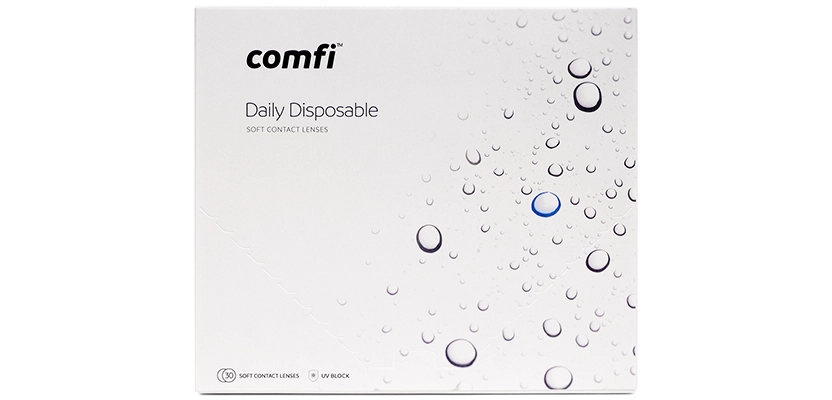
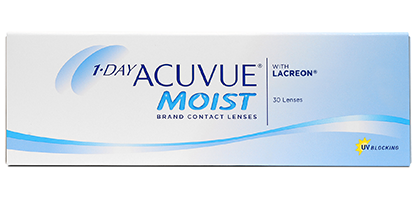
- Opt for daily contact lenses: Generally, it is safe to use contact lenses for sports but sweating can cause infection, so it’s best to be cautious. However, wearing lenses while swimming is not recommended. If you absolutely must wear contact lenses while playing a sport, opt for daily disposable contact lenses. As they are meant for single use, they reduce the risk of infection significantly. Don’t forget to pair daily disposable contact lenses with protective eyewear for enhanced convenience and safety and dispose of them straight after use.
- Stay aware of your surroundings: Being mindful of your environment can help prevent accidental collisions and injuries. Always keep an eye on fast-moving objects, such as balls, racquets and sticks. Be aware of other players’ movements to avoid accidents.
- Take regular eye tests: Maintain good vision with regular eye check-ups to ensure you aren’t compromising on your performance or safety.
- Replace damaged eyewear immediately: Scratched or cracked lenses of glasses or sunglasses can weaken impact resistance and reduce visibility.
Make eye safety a priority this month and beyond
Sports Eye Safety Month serves as a reminder that vision protection should never be an afterthought. With the right protective eyewear and safety habits, athletes of all ages can enjoy their favourite sport without the risk of serious eye injuries. By spreading awareness, taking preventive measures and making protective eyewear an essential part of sports equipment, we can reduce the number of sports-related eye injuries and safeguard our vision for years to come.
Disclaimer: The advice and suggestions in this blog are for informational purposes only and are not a substitute for medical care. Before trying any products or remedies, consult with an eye care professional. See our Editorial Policy for details on how we review our blog.